
The Future of Automotive Innovation: Smarter, Cleaner, and More Connected Mobility
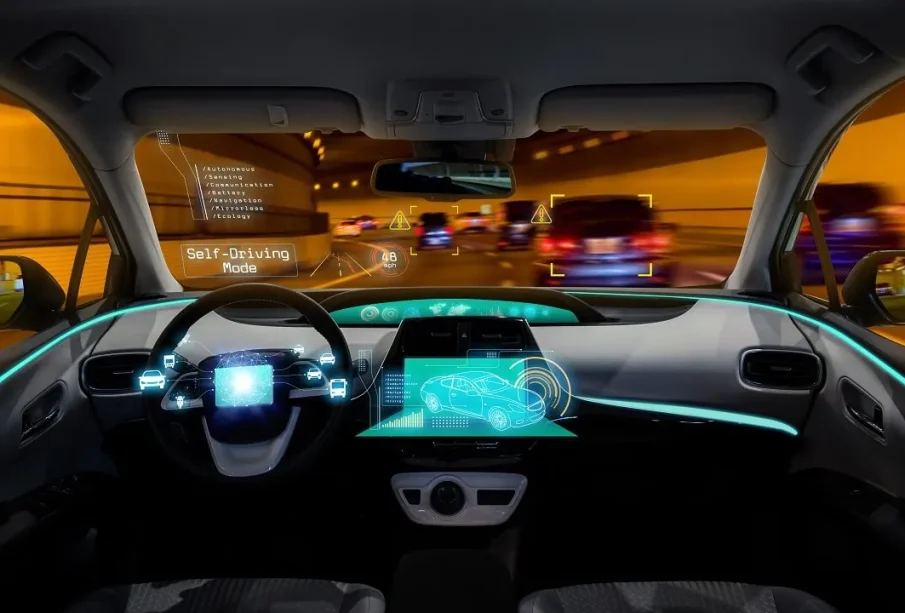
The automotive industry is undergoing one of the most transformative periods in its history. Driven by advances in technology, environmental concerns, and evolving consumer expectations, vehicles are no longer just machines for transportation—they are becoming intelligent, connected ecosystems on wheels.
From electric vehicles (EVs) to autonomous driving systems, the future of mobility is reshaping how people interact with cars and how cities function. This article explores the major trends shaping the automotive world and what they mean for drivers, manufacturers, and the planet.
The Rise of Electric Vehicles (EVs)
Electric vehicles are at the forefront of automotive evolution. With zero tailpipe emissions and lower operating costs, EVs are increasingly becoming the preferred choice for environmentally conscious consumers.
Why EVs Are Gaining Popularity
- Environmental Benefits: Reduced greenhouse gas emissions and cleaner air
- Lower Running Costs: Electricity is cheaper than gasoline in most regions
- Government Incentives: Subsidies, tax benefits, and rebates encourage adoption
- Technological Advancements: Improved battery life and faster charging
Challenges Facing EV Adoption
- Limited charging infrastructure in some regions
- Higher upfront costs compared to traditional vehicles
- Battery recycling and sustainability concerns
Despite these challenges, the global push toward sustainability ensures that EV adoption will continue to accelerate.
Autonomous Driving: The Road to Self-Driving Cars
Autonomous vehicles, once a concept of science fiction, are now a reality in development. These vehicles use a combination of sensors, cameras, radar, and artificial intelligence to navigate roads with minimal human input.
Levels of Automation
- Level 1–2: Driver assistance (cruise control, lane assist)
- Level 3: Conditional automation (hands-off in certain conditions)
- Level 4–5: Fully autonomous driving
Benefits of Autonomous Vehicles
- Reduced traffic accidents caused by human error
- Increased mobility for elderly and disabled individuals
- Improved traffic efficiency and reduced congestion
However, regulatory challenges, safety concerns, and ethical considerations still need to be addressed before widespread adoption.
Connected Cars: The Digital Transformation of Vehicles
Modern cars are becoming highly connected devices, integrating with smartphones, cloud services, and smart infrastructure.
Key Features of Connected Vehicles
- Real-time Navigation: Traffic updates and route optimization
- Remote Vehicle Control: Lock/unlock and start vehicles via mobile apps
- Vehicle-to-Everything (V2X): Communication with other vehicles and infrastructure
- Over-the-Air (OTA) Updates: Software upgrades without visiting a service center
This connectivity enhances convenience, safety, and personalization, making driving a more seamless experience.
Hybrid Technology: Bridging the Gap
Hybrid vehicles combine internal combustion engines with electric motors, offering a balanced solution for those not ready to fully switch to EVs.
Types of Hybrid Systems
- Mild Hybrid: Assists the engine but cannot run solely on electricity
- Full Hybrid: Can operate on electric power for short distances
- Plug-in Hybrid (PHEV): Rechargeable batteries with extended electric range
Hybrids provide improved fuel efficiency and reduced emissions while maintaining the familiarity of traditional vehicles.
Sustainability and Green Manufacturing
Automakers are not only focusing on cleaner vehicles but also on sustainable production processes.
Sustainable Practices in Automotive Manufacturing
- Use of recycled and eco-friendly materials
- Reduction in water and energy consumption
- Development of carbon-neutral factories
- Ethical sourcing of raw materials
These initiatives aim to reduce the environmental footprint of the entire vehicle lifecycle.
The Role of Artificial Intelligence in Automotive
Artificial intelligence is playing a critical role in shaping modern vehicles.
Applications of AI in Cars
- Driver Assistance Systems: Collision detection and automatic braking
- Predictive Maintenance: Identifying potential issues before breakdowns
- Voice Assistants: Natural language interaction with vehicle systems
- Personalized Driving Experience: Adjusting settings based on user behavior
AI is transforming cars into smart companions that adapt to individual needs.
Future Trends to Watch
The automotive industry continues to evolve rapidly. Key trends expected to shape the future include:
- Solid-State Batteries: Longer range and faster charging
- Hydrogen Fuel Cell Vehicles: Alternative clean energy solutions
- Shared Mobility: Growth of ride-sharing and car subscription models
- Smart Cities Integration: Seamless coordination between vehicles and infrastructure
These developments will redefine not just how we drive, but how we live and move.
Conclusion
The automotive landscape is shifting toward a smarter, cleaner, and more connected future. Electric vehicles, autonomous driving, and digital connectivity are no longer distant possibilities—they are actively shaping today’s market.
As technology continues to advance, the focus will remain on improving safety, sustainability, and user experience. The journey ahead promises a revolution in mobility that will impact every aspect of daily life.
Frequently Asked Questions (FAQs)
1. Are electric vehicles really cheaper in the long run?
Yes, EVs typically have lower maintenance and fuel costs, making them more economical over time despite higher initial prices.
2. How long does it take to charge an electric car?
Charging time varies from 30 minutes (fast charging) to several hours depending on the charger type and battery size.
3. Are autonomous cars safe?
Autonomous systems are designed to reduce human error, but they are still being tested and refined to ensure full safety.
4. What is the lifespan of an EV battery?
Most EV batteries last between 8 to 15 years, depending on usage and environmental conditions.
5. Do hybrid cars require charging?
Standard hybrids do not require external charging, but plug-in hybrids do.
6. What is V2X communication in vehicles?
Vehicle-to-Everything (V2X) allows cars to communicate with other vehicles, infrastructure, and networks to improve safety and traffic flow.
7. Will gasoline cars disappear completely?
While EVs are growing rapidly, gasoline vehicles may still exist for years, especially in regions with limited EV infrastructure.
About Author


