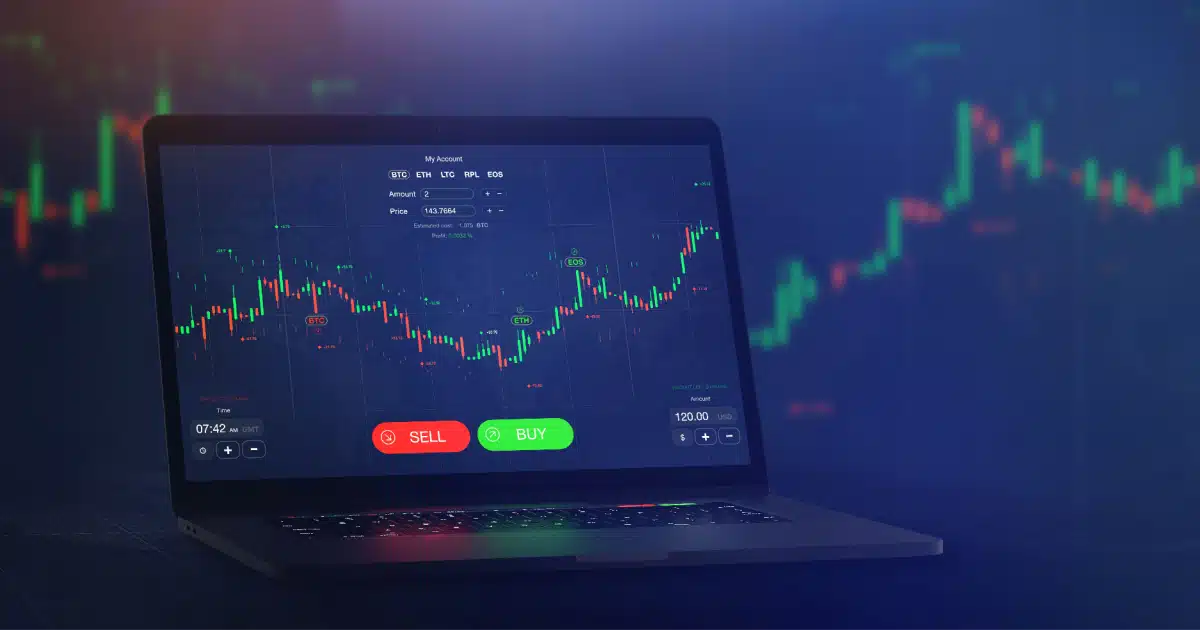
Trading: A Practical Guide to Understanding and Succeeding in Financial Markets

What is Trading?
Trading refers to the buying and selling of financial instruments such as stocks, currencies, commodities, and cryptocurrencies with the goal of making a profit. Unlike long-term investing, trading typically focuses on short- to medium-term price movements.
At its core, trading revolves around predicting market behavior and acting quickly based on analysis, discipline, and timing.
Types of Trading
1. Day Trading
Day traders open and close positions within the same day. They rely on intraday price movements and avoid holding positions overnight.
- Requires constant monitoring
- High risk, high reward
- Popular in stocks and forex markets
2. Swing Trading
Swing traders hold positions for several days or weeks to capture short-term trends.
- Less stressful than day trading
- Focuses on technical patterns
- Ideal for part-time traders
3. Position Trading
This is a long-term approach where traders hold positions for months or years.
- Based on macroeconomic trends
- Requires patience
- Lower transaction frequency
4. Scalping
Scalpers aim to make small profits repeatedly by executing multiple trades within minutes.
- Requires precision and speed
- Works best in highly liquid markets
- Often uses automation tools
Key Financial Markets for Trading
Stock Market
Trading shares of publicly listed companies. Influenced by earnings, news, and economic conditions.
Forex Market
The largest and most liquid market where currencies are traded in pairs.
Cryptocurrency Market
A highly volatile market operating 24/7, offering opportunities but also significant risks.
Commodity Market
Includes trading in gold, oil, silver, and agricultural products.
Essential Trading Concepts
1. Technical Analysis
Traders analyze price charts, patterns, and indicators to predict future movements.
- Moving averages
- RSI (Relative Strength Index)
- Support and resistance levels
2. Fundamental Analysis
Focuses on economic data, company performance, and global events.
- Interest rates
- Inflation
- Corporate earnings
3. Risk Management
One of the most critical aspects of trading.
- Use stop-loss orders
- Risk only a small percentage per trade
- Maintain a favorable risk-reward ratio
Common Trading Strategies
Trend Following
Traders identify and follow the direction of the market trend.
- “Trend is your friend” principle
- Works well in strong markets
Breakout Trading
Entering trades when the price breaks key levels.
- High momentum opportunities
- Requires confirmation signals
Range Trading
Buying at support and selling at resistance in sideways markets.
- Effective in stable conditions
- Needs clear boundaries
Tools Every Trader Needs
- Trading Platform (e.g., MetaTrader, TradingView)
- Reliable Internet Connection
- Economic Calendar
- Charting Tools
- Trading Journal
Psychological Aspects of Trading
Trading is not just technical—it’s deeply psychological.
- Control emotions like fear and greed
- Avoid overtrading
- Stick to a well-defined plan
Successful traders often emphasize that discipline matters more than strategy.
Advantages and Risks of Trading
Advantages
- Potential for quick profits
- Flexible working hours
- Access to global markets
Risks
- High volatility
- Emotional stress
- Possibility of significant losses
Tips for Beginners
- Start with a demo account
- Focus on learning before earning
- Keep strategies simple
- Avoid chasing losses
- Continuously analyze your performance
Conclusion
Trading offers exciting opportunities but demands knowledge, patience, and discipline. Whether you’re a beginner or experienced trader, success depends on your ability to manage risk, stay consistent, and adapt to changing market conditions.
Frequently Asked Questions (FAQs)
1. Is trading better than investing?
Trading focuses on short-term gains, while investing targets long-term growth. The better choice depends on your goals and risk tolerance.
2. How much money do I need to start trading?
You can start with a small amount, but having sufficient capital helps manage risk more effectively.
3. Can I trade part-time?
Yes, swing trading and position trading are suitable for part-time traders.
4. What is the safest market for beginners?
No market is completely safe, but many beginners start with stocks due to relatively lower volatility compared to crypto.
5. How long does it take to become profitable?
It varies, but most traders take months or years to develop consistent profitability.
6. Do I need technical knowledge to trade?
Basic understanding of charts and indicators is essential, but you don’t need advanced mathematics.
7. What is the biggest mistake new traders make?
Lack of risk management and emotional decision-making are the most common mistakes.
About Author