Waste Management Industries Playing a Crucial Role in Circular Economies
Introduction
The global shift toward sustainability has placed waste management industries at the center of economic transformation. Instead of treating waste as a liability, modern systems view it as a valuable resource that can be reused, recycled, or recovered. This shift forms the backbone of the circular economy, where materials remain in use for as long as possible, reducing environmental impact and conserving natural resources.
As urban populations grow and consumption patterns evolve, efficient waste management is no longer optional—it is essential for economic resilience and environmental balance.
Understanding the Circular Economy
A circular economy is a regenerative system that contrasts sharply with the traditional linear economy model of “take, make, dispose.”
Key Principles of Circular Economy
- Design out waste and pollution
- Keep products and materials in use
- Regenerate natural systems
Waste management industries enable these principles by creating systems that transform discarded materials into secondary raw materials.
The Role of Waste Management Industries
Waste management industries act as the operational backbone of circular economies. Their responsibilities extend beyond simple disposal.
1. Waste Collection and Segregation
Efficient systems begin with segregation at the source, separating biodegradable, recyclable, and hazardous waste. This step ensures higher recovery rates and reduces contamination.
2. Recycling and Material Recovery
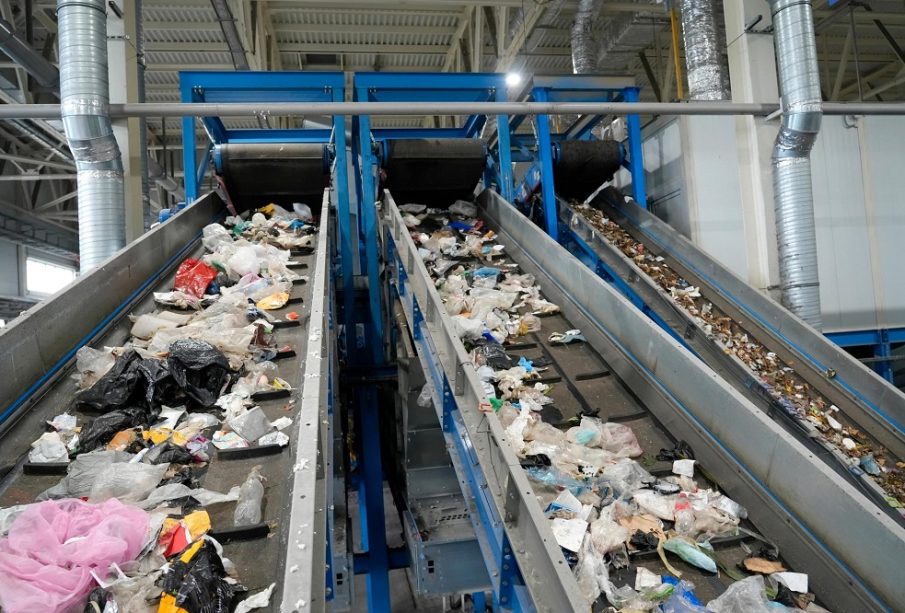
Recycling facilities convert materials like plastic, paper, metal, and glass into reusable forms. Advanced technologies now allow recovery of even complex materials.
3. Organic Waste Processing
Organic waste is transformed into:
- Compost for agriculture
- Biogas for energy production
This reduces landfill pressure and supports renewable energy systems.
4. Waste-to-Energy (WTE) Solutions
Non-recyclable waste is converted into electricity or heat through controlled processes, minimizing landfill usage while generating energy.
Environmental Benefits
Waste management industries contribute significantly to environmental protection.
Reduced Landfill Dependency
Proper recycling and recovery minimize the volume of waste sent to landfills, reducing soil and groundwater contamination.
Lower Greenhouse Gas Emissions
Recycling and composting reduce methane emissions and decrease reliance on fossil fuels.
Conservation of Natural Resources
Reusing materials cuts down the need for virgin resource extraction, preserving ecosystems.
Economic Impact
The waste management sector is also a major economic driver.
Job Creation
From collection to processing, the industry generates employment across multiple skill levels.
Resource Efficiency
Recovered materials reduce manufacturing costs and dependency on imports.
Innovation and Investment
Growing demand for sustainability has led to:
- Investment in green technologies
- Rise of recycling startups
- Development of smart waste systems
Technological Advancements in Waste Management
Modern waste management relies heavily on innovation.
Smart Waste Monitoring
Sensors and IoT systems optimize waste collection routes and reduce operational costs.
Advanced Recycling Technologies
- Chemical recycling for plastics
- Automated sorting using AI and robotics
Circular Product Design
Manufacturers now design products that are easier to disassemble and recycle.
Challenges Faced by the Industry
Despite progress, several challenges remain:
- Lack of public awareness about waste segregation
- Insufficient infrastructure in developing regions
- High operational costs for advanced technologies
- Policy and regulatory gaps
Addressing these challenges requires coordinated efforts from governments, industries, and citizens.
Future Outlook
The future of waste management lies in integrated circular systems where waste is minimized at every stage of production and consumption.
Key trends include:
- Expansion of zero-waste cities
- Growth of extended producer responsibility (EPR) policies
- Increased adoption of digital waste tracking systems
As sustainability becomes a global priority, waste management industries will continue to evolve as key enablers of circular economies.
Conclusion
Waste management industries are no longer just service providers—they are essential pillars of sustainable development. By transforming waste into resources, they close the loop in material cycles and support both environmental and economic goals.
A strong, efficient waste management system is not just about handling waste—it is about redefining value in a resource-constrained world.
FAQs
1. What is the main goal of a circular economy?
The primary goal is to eliminate waste by keeping materials in continuous use through recycling, reuse, and regeneration.
2. How do waste management industries support sustainability?
They reduce environmental pollution, conserve resources, and promote renewable energy through recycling and recovery processes.
3. What is waste-to-energy technology?
It is a process that converts non-recyclable waste into usable energy such as electricity or heat.
4. Why is waste segregation important?
Proper segregation improves recycling efficiency and ensures that different types of waste are processed correctly.
5. What are the economic benefits of recycling industries?
They create jobs, reduce production costs, and generate revenue from recovered materials.
6. What challenges do waste management systems face globally?
Common challenges include lack of awareness, poor infrastructure, and high implementation costs.
7. How can individuals contribute to a circular economy?
By reducing waste, reusing products, recycling properly, and supporting sustainable brands.
About Author