How Oil and Gas Industries Are Adapting to Clean Energy Transitions
Introduction
The global energy landscape is undergoing a fundamental shift. Rising concerns over climate change, regulatory pressures, and evolving market demands are pushing traditional oil and gas companies to rethink their long-standing business models. Rather than resisting change, many industry players are actively adapting—investing in cleaner technologies, diversifying portfolios, and redefining their role in a low-carbon future.
Why the Transition Is Happening
Environmental and Regulatory Pressures
Governments worldwide are setting net-zero emission targets, enforcing stricter environmental policies, and incentivizing renewable energy adoption. These measures are compelling oil and gas companies to reduce their carbon footprint.
Changing Investor Expectations
Institutional investors are increasingly prioritizing Environmental, Social, and Governance (ESG) criteria. Companies that fail to adapt risk losing funding and long-term credibility.
Market Demand Shift
Consumers and industries alike are moving toward cleaner energy sources, such as solar, wind, and hydrogen, creating both a challenge and an opportunity for traditional energy firms.
Key Strategies Oil and Gas Companies Are Using
1. Diversification into Renewable Energy
Many companies are investing heavily in renewables:
- Wind energy projects, especially offshore wind farms
- Solar power installations in energy-rich regions
- Development of renewable energy subsidiaries
This shift allows them to maintain relevance while reducing dependency on fossil fuels.
2. Investment in Carbon Capture Technologies
Carbon Capture, Utilization, and Storage (CCUS) is emerging as a crucial tool.
- Captures CO₂ emissions from industrial processes
- Stores carbon underground or repurposes it
- Helps extend the life of existing fossil fuel operations while reducing emissions
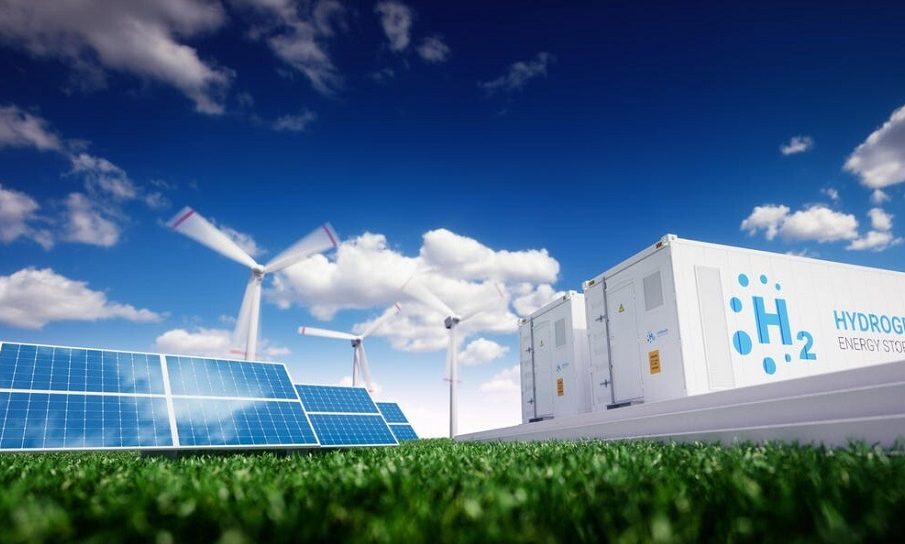
3. Expansion into Hydrogen Energy
Hydrogen is gaining traction as a clean fuel alternative:
- Blue hydrogen: Produced from natural gas with carbon capture
- Green hydrogen: Generated using renewable electricity
Oil and gas companies are leveraging their infrastructure to become key players in this space.
4. Electrification of Operations
To reduce emissions from their own activities, companies are:
- Switching to electric-powered drilling equipment
- Using renewable electricity for operations
- Improving energy efficiency across supply chains
5. Digital Transformation and Efficiency
Advanced technologies are helping reduce waste and emissions:
- AI and data analytics for optimizing production
- Predictive maintenance to minimize downtime
- Smart monitoring systems to reduce leaks and inefficiencies
Challenges in the Transition
High Capital Requirements
Transitioning to clean energy requires massive investment, often with uncertain returns in the short term.
Technological Limitations
Some technologies, like large-scale hydrogen production and carbon capture, are still evolving and not yet cost-efficient.
Workforce Transformation
Employees need to reskill for new energy domains, creating challenges in workforce planning and training.
Balancing Profitability and Sustainability
Companies must maintain profitability while investing in long-term sustainability—often a delicate balance.
Opportunities Emerging from the Shift
Despite the challenges, the transition offers several advantages:
- Access to new revenue streams
- Strengthened brand reputation
- Long-term resilience in a decarbonized economy
- Strategic partnerships with governments and tech firms
Real-World Examples of Adaptation
Many major energy companies are already leading the shift:
- Investing in large-scale offshore wind farms
- Building electric vehicle (EV) charging networks
- Developing integrated energy solutions combining renewables and storage
These moves signal a broader transformation from oil producers to energy providers.
The Future Outlook
The oil and gas industry is unlikely to disappear anytime soon, but its role is evolving. Companies that successfully adapt will:
- Operate as multi-energy providers
- Integrate fossil fuels with cleaner alternatives
- Focus on innovation and sustainability
The transition is not just about survival—it’s about redefining leadership in a rapidly changing energy ecosystem.
Conclusion
The clean energy transition is reshaping the oil and gas industry in profound ways. Through innovation, diversification, and strategic investment, companies are finding new paths forward. While the journey is complex and filled with challenges, it also presents an unprecedented opportunity to build a more sustainable and resilient energy future.
FAQs
1. What is driving oil and gas companies toward clean energy?
Environmental regulations, investor pressure, and growing demand for sustainable energy solutions are the main drivers.
2. Are oil and gas companies abandoning fossil fuels completely?
No, they are gradually diversifying while still relying on fossil fuels during the transition period.
3. What role does hydrogen play in the energy transition?
Hydrogen serves as a cleaner alternative fuel, especially in industries where electrification is difficult.
4. Is carbon capture a reliable solution?
It is promising but still developing; its effectiveness depends on scale, cost, and technological advancements.
5. How are employees affected by this transition?
Workers need to acquire new skills related to renewable energy, digital tools, and sustainable operations.
6. Can oil companies become fully renewable energy providers?
Some are moving in that direction, but full transformation will take time and significant investment.
7. What risks do companies face if they don’t adapt?
They risk losing market relevance, investor confidence, and regulatory compliance, which can impact long-term survival.
About Author